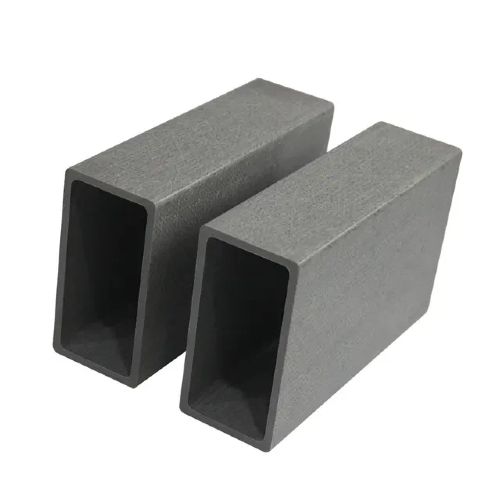
Fiberglass Reinforced Profiles (FRPs) have gained significant attention in recent years due to their exceptional performance in various industrial and civil applications. These profiles are made from a combination of glass fibers and polymer resins, offering superior mechanical properties, including lightweight, corrosion resistance, and high strength. This article provides a comprehensive analysis of the compression strength and durability of Fiberglass Reinforced Profiles, highlighting their advantages, performance in different environments, and future prospects in the construction and engineering sectors.
The Importance of Compression Strength and Durability
Fiberglass Reinforced Profiles have revolutionized construction materials by offering solutions to challenges faced with traditional materials like steel and concrete. With increasing concerns over sustainability, corrosion, and long-term maintenance costs, these materials are gaining prominence. Compression strength and durability are two key parameters that determine the overall performance of these profiles. In this article, we will explore these characteristics, compare them to conventional materials, and discuss their application in real-world engineering projects.
The growing demand for more durable and sustainable building materials has driven the construction and infrastructure sectors to adopt Fiberglass Reinforced Profiles (FRPs) for various structural applications. These materials offer not only high performance but also a longer lifespan with reduced maintenance compared to traditional materials like steel and concrete.
Key Properties of Fiberglass Reinforced Profiles
Before diving into compression strength and durability, it’s essential to understand the fundamental properties of Fiberglass Reinforced Profiles. These profiles are engineered to deliver specific mechanical properties that are crucial for various structural applications.
Composition and Manufacturing Process
Fiberglass Reinforced Profiles are created by embedding glass fibers into a resin matrix, typically made from thermosetting or thermoplastic resins. The glass fibers act as reinforcement, enhancing the material’s mechanical properties such as tensile strength, flexibility, and resistance to impact.
The manufacturing process involves several steps, including the impregnation of glass fibers with resin, molding the fibers into the desired profile shape, and then curing the material to set the resin. The type of resin used and the fiber content significantly affect the final properties of the composite material. Pultrusion, filament winding, and hand lay-up are common techniques used to manufacture FRPs.
Glass Fiber: Provides strength, rigidity, and resistance to environmental factors like corrosion and UV radiation. It also contributes to the material’s low density, which is a crucial factor in many engineering applications.
Polymer Resin: Acts as the binding agent, ensuring the fibers stay intact and providing additional properties like chemical resistance, ease of molding, and dimensional stability.
By optimizing the fiber-to-resin ratio, manufacturers can customize the material’s performance to suit different application needs. For example, a higher fiber content can result in greater strength, while different types of resins may enhance properties such as fire resistance or chemical durability.
Lightweight and Corrosion Resistance
One of the most significant advantages of Fiberglass Reinforced Profiles is their lightweight nature. Unlike traditional steel, they are significantly lighter, which reduces transportation and installation costs. The low weight of FRPs makes them ideal for applications in sectors where heavy materials like steel would be impractical or expensive to use. Additionally, fiberglass is highly resistant to corrosion, making it an ideal choice for use in harsh environments such as marine applications, chemical industries, and coastal areas.
Unlike metals, which corrode when exposed to moisture, chemicals, and salts, Fiberglass Reinforced Profiles do not rust or degrade in similar conditions. This quality makes them especially suitable for long-term applications in aggressive environments, reducing the need for frequent replacements and maintenance.
Electrical Insulation Properties
Fiberglass Reinforced Profiles are non-conductive, making them suitable for environments where electrical insulation is critical. This property is particularly beneficial in industries such as power generation, telecommunication, and electronics, where any form of conductivity could pose a serious safety risk. Electrical insulation is one of the most unique selling points of fiberglass-based composites when compared to traditional conductive metals like steel.
Compression Strength Analysis of Fiberglass Reinforced Profiles
Compression strength refers to a material’s ability to withstand compressive forces without failing. This property is crucial for structural applications, where materials are subjected to loads from buildings, bridges, tunnels, and other infrastructures. Fiberglass Reinforced Profiles are specifically engineered to withstand compressive forces while maintaining their structural integrity.
Compression Strength Testing Methodology
To evaluate the compression strength of Fiberglass Reinforced Profiles, standardized testing methods such as ASTM D695 and ISO 604 are employed. These tests apply a gradual compressive force to a sample of the material until it deforms or breaks. The maximum force the material can withstand before failure is recorded as its compression strength.
The tests are carried out in controlled environments to simulate real-world conditions as closely as possible. Additionally, various specimens with different fiber orientations and resin types are tested to understand how these variables impact the material’s compression strength.
Comparison of Compression Strength: FRP vs. Traditional Materials
Fiberglass Reinforced Profiles offer competitive or superior compression strength compared to traditional materials like steel and concrete. The key comparison points are shown in the table below:
Material | Compression Strength (MPa) | Advantages | Disadvantages |
Fiberglass Reinforced Profiles | 400-700 MPa | Lightweight, corrosion-resistant, non-conductive | Higher manufacturing cost compared to concrete |
Concrete | 100-250 MPa | Readily available, low cost | Heavy, prone to cracking, susceptible to corrosion |
Steel | 250-500 MPa | High strength, widely used | Heavy, prone to rust and corrosion |
As the table demonstrates, Fiberglass Reinforced Profiles excel in offering a balance of strength and lightweight properties, making them a viable alternative to both steel and concrete in various applications. They are especially useful in applications where reducing the overall weight of the structure is critical.
Factors Affecting Compression Strength
Several factors can influence the compression strength of Fiberglass Reinforced Profiles, including:
Fiber Content: The higher the percentage of glass fibers, the greater the strength and stiffness of the profile.
Resin Type: The type of resin used impacts the material’s ability to resist deformation and maintain its shape under pressure. Certain resins also offer enhanced resistance to chemicals or extreme temperatures, which can influence their performance in specific applications.
Manufacturing Process: Different fabrication techniques, such as pultrusion or filament winding, affect the alignment of fibers and the resulting compression strength. A well-aligned fiber orientation can improve the load-bearing capacity of the material.
Durability of Fiberglass Reinforced Profiles
Durability is a critical factor in evaluating the long-term performance of materials, especially when they are exposed to harsh environmental conditions. In this section, we analyze the durability of Fiberglass Reinforced Profiles in various environments and compare their performance to traditional materials.
Factors Affecting Durability
The durability of Fiberglass Reinforced Profiles is influenced by several environmental factors, including:
UV Radiation: Long-term exposure to sunlight can degrade the polymer resin, causing the material to become brittle and lose strength. However, modern FRPs are manufactured with UV-resistant coatings and additives, enhancing their lifespan in outdoor applications.
Moisture: Continuous exposure to water can lead to degradation of the resin and weakening of the material. However, fiberglass is inherently resistant to water damage, making it more durable than metals and concrete in wet conditions.
Chemical Exposure: Fiberglass Reinforced Profiles exhibit excellent resistance to most chemicals, but some aggressive chemicals (e.g., strong acids) may cause damage over time. The material’s chemical resistance can be enhanced through the use of specific resins and coatings.
Temperature Extremes: Extreme hot and cold temperatures can affect the material’s dimensional stability and performance. Fiberglass, however, performs well across a wide temperature range, making it suitable for environments with fluctuating temperatures.
Performance in Harsh Environments
Fiberglass Reinforced Profiles perform exceptionally well in harsh environments compared to metals like steel, which are prone to rust and corrosion. The key benefits of fiberglass in terms of durability are:
Corrosion Resistance: Fiberglass does not rust or corrode, making it ideal for use in marine, coastal, and industrial environments.
Weather Resistance: The material maintains its integrity under UV exposure, high humidity, and extreme temperatures.
Long Service Life: Unlike traditional materials, Fiberglass Reinforced Profiles do not require frequent maintenance, resulting in reduced lifecycle costs. They retain their strength and aesthetic appeal for years, even under the most challenging conditions.
Durability Testing Methodology
To assess the durability of Fiberglass Reinforced Profiles, accelerated aging tests are often conducted. These tests involve exposing the material to extreme conditions (e.g., UV radiation, chemical exposure, freeze-thaw cycles) to simulate long-term environmental effects.
Applications of Fiberglass Reinforced Profiles
Fiberglass Reinforced Profiles are used in a wide range of industries, offering durability, strength, and reliability. Some key applications include:
Construction Industry
Reinforcement of Concrete Structures: Fiberglass Reinforced Profiles are often used to reinforce concrete structures, providing additional strength without the added weight of steel reinforcement.
Bridge Construction: These profiles are used in bridge decks and other structural components to enhance load-bearing capacity while reducing corrosion.
Transportation Sector
Railway Infrastructure: Fiberglass Reinforced Profiles are used in railways for both structural and non-structural applications, offering a combination of strength and low weight.
Marine Applications: In shipbuilding, these profiles are used for their resistance to corrosion and ability to withstand harsh marine environments.
Industrial Applications
Chemical Plants: In environments where metals would quickly corrode, Fiberglass Reinforced Profiles provide a more durable alternative.
Power Plants: Non-conductive properties make them ideal for use in power stations and electrical facilities.
Conclusion
Fiberglass Reinforced Profiles are a versatile and durable solution for various industries. Their impressive compression strength, coupled with excellent durability in harsh environments, makes them an ideal choice for construction, transportation, and industrial applications. As the demand for more sustainable and long-lasting materials continues to rise, the use of Fiberglass Reinforced Profiles is expected to grow significantly.
To explore the full range of products, learn more about their specifications, or get personalized recommendations, we encourage you to visit JIMEI CHEMICAL Co., Ltd. or contact their team directly. Their expertise in fiberglass composite materials ensures that they can provide the right solutions for your specific project needs.
FAQ
What are Fiberglass Reinforced Profiles?
Fiberglass Reinforced Profiles are composite materials made from glass fibers and polymer resins. They are used in various industries for their lightweight, high strength, and corrosion-resistant properties.
How strong are Fiberglass Reinforced Profiles?
Fiberglass Reinforced Profiles offer a compression strength ranging from 400-700 MPa, making them highly durable and capable of withstanding significant pressure without failure.
What are the advantages of using Fiberglass Reinforced Profiles over traditional materials?
The main advantages include their lightweight nature, resistance to corrosion, non-conductive properties, and longer service life with less maintenance compared to steel and concrete.
Can Fiberglass Reinforced Profiles be used in extreme environments?
Yes, Fiberglass Reinforced Profiles excel in extreme environments such as marine, coastal, and industrial areas due to their corrosion resistance, UV stability, and resistance to temperature extremes.
What industries use Fiberglass Reinforced Profiles?
These profiles are used in construction, transportation (railways, marine), and industrial applications such as chemical and power plants, where they provide superior performance compared to traditional materials.


