In coastal construction, choosing the right materials is crucial to ensuring durability and safety over time. Traditional steel reinforcement often falls short in these harsh environments due to its susceptibility to corrosion from saltwater and humidity. GFRP reinforcement offers a significant solution to this issue, providing an ideal alternative for projects exposed to corrosive conditions. At Anhui SenDe New Materials Technology Development Co., Ltd., we specialize in providing high-quality GFRP reinforcement products, which are specifically designed to excel in coastal environments. In this article, we will explore why GFRP reinforcement is the best choice for coastal projects.
What Makes Coastal Construction Different?
Coastal construction presents unique challenges that demand special materials to ensure long-lasting and reliable infrastructure. The primary challenges include exposure to saltwater, high humidity, and fluctuating environmental conditions.
Key Challenges in Coastal Environments
Saltwater, a critical component of coastal regions, is one of the most corrosive agents to traditional building materials, especially steel. In coastal environments, the high salinity of the air and water accelerates the rusting and degradation of steel reinforcement. This corrosion compromises the structural integrity of buildings and bridges, leading to costly repairs and even catastrophic failures if left unaddressed. Additionally, the consistent exposure to humidity and high tides further complicates the durability of steel structures.
Why Traditional Steel Reinforcement Fails Fast
Steel reinforcement bars, although commonly used in construction, are vulnerable to rust when exposed to coastal conditions. Over time, steel can corrode and weaken, which is why it often requires additional maintenance and repair. This not only leads to higher costs but also increases the potential for safety hazards. The constant need for monitoring and repairs in coastal projects due to steel’s inability to withstand such aggressive conditions makes it a less reliable option for the long term.
What is GFRP Reinforcement?
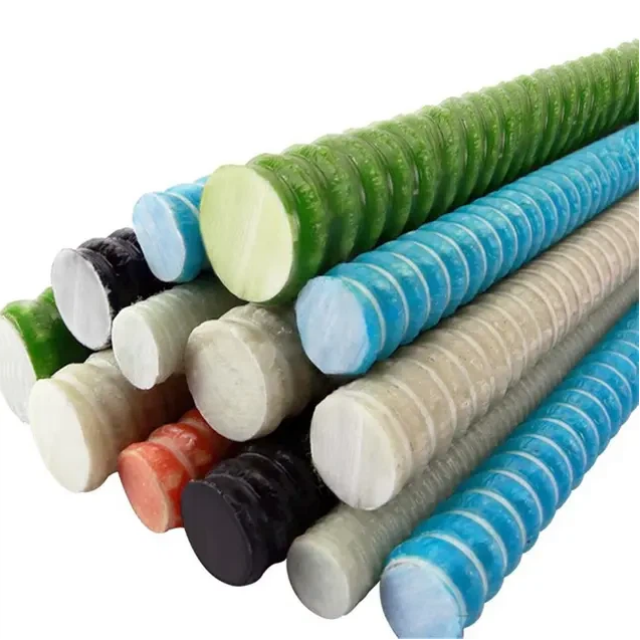
GFRP reinforcement (Glass Fiber Reinforced Polymer) is a composite material that combines high-strength glass fibers with a polymer matrix to create a robust and durable reinforcement solution. Unlike steel, GFRP is non-corrosive and offers excellent performance in harsh environments, including coastal areas.
Brief Explanation of GFRP Materials and Composition
GFRP reinforcement consists of glass fibers embedded in a polymer matrix, typically made from vinyl ester or epoxy resin. The combination of these materials results in a reinforcement bar that is not only lightweight but also extremely strong and resistant to environmental factors that typically degrade traditional materials. This makes GFRP reinforcement highly suitable for demanding applications such as coastal infrastructure.
How GFRP Compares to Steel Rebar in Corrosive Conditions
Unlike steel, GFRP reinforcement does not rust or corrode. The glass fibers in GFRP provide the strength needed for structural applications, while the polymer resin acts as a protective barrier against environmental stressors. In comparison, steel bars, even when coated with protective materials, eventually suffer from corrosion when exposed to moisture and salt, especially in coastal environments. As such, GFRP reinforcement provides a far superior solution for coastal projects, offering enhanced longevity and reduced maintenance costs.
Corrosion Resistance: The Core Advantage
One of the standout benefits of GFRP reinforcement is its superior resistance to corrosion. In coastal areas, where the combination of saltwater, air, and humidity creates a highly corrosive environment, GFRP reinforcement shines as the material of choice.
Why GFRP Does Not Rust or Corrode
GFRP reinforcement is inherently resistant to the damaging effects of corrosion due to its composition. The glass fibers used in GFRP are chemically inert and do not react with water or salt. The polymer matrix also provides an additional layer of protection, preventing the reinforcement from degrading when exposed to the elements. Unlike steel, which undergoes rusting when exposed to oxygen and moisture, GFRP reinforcement maintains its structural integrity without the need for additional coatings or treatments.
Real Examples and Data on Corrosion Performance
Real-world data and studies have shown that GFRP reinforcement performs exceptionally well in marine and coastal environments. For instance, GFRP bars have been used in numerous projects such as coastal bridges, seawalls, and piers, where they have demonstrated remarkable resistance to corrosion over time. The reduced need for repair and maintenance translates to significant cost savings for developers and ensures the long-term stability of coastal infrastructure.
Long-Term Performance and Maintenance Savings
When it comes to coastal construction, the cost of maintaining structures over time can quickly add up. Steel reinforcement requires frequent inspection and repairs, especially in corrosive environments. In contrast, GFRP reinforcement offers significant long-term benefits.
Lifecycle Cost Implications
The lifecycle cost of GFRP reinforcement is significantly lower than that of steel. While the initial investment in GFRP reinforcement may be higher, its corrosion resistance means that it requires fewer repairs and less maintenance over its lifespan. This results in lower overall project costs and a higher return on investment. Furthermore, the durability of GFRP reinforcement ensures that it will maintain its structural integrity for decades, unlike steel, which often deteriorates after only a few years in coastal areas.
How Reduced Corrosion Means Less Frequent Repairs
Due to the corrosion resistance of GFRP reinforcement, coastal structures require less frequent repairs, saving both time and money. Steel structures, on the other hand, often require extensive maintenance to prevent or address corrosion. The cost of these repairs can escalate quickly, particularly in harsh coastal environments. By choosing GFRP reinforcement, developers can significantly reduce long-term maintenance costs, making it the more cost-effective choice for coastal projects.
Other Functional Benefits for Coastal Projects
In addition to its corrosion resistance, GFRP reinforcement offers a range of other functional benefits that make it ideal for coastal construction.
Lightweight and Ease of Installation
One of the key advantages of GFRP reinforcement is its lightweight nature. GFRP bars are much lighter than steel, which makes them easier to transport and handle on-site. This reduces labor costs and installation time, helping to streamline construction processes. Moreover, the reduced weight of GFRP reinforcement minimizes the strain on other components of the structure, leading to greater overall efficiency.
Durability in Marine and Salt-Spray Environments
Another critical benefit of GFRP reinforcement is its ability to withstand harsh marine environments. GFRP reinforcement is highly resistant to saltwater, making it an ideal choice for structures exposed to seawater or salt spray. Whether it’s a pier, bridge, or seawall, GFRP reinforcement ensures the long-term durability of the structure, even in environments where other materials would quickly degrade.
Real Project Use Cases
Over the years, GFRP reinforcement has been used in numerous coastal projects worldwide, demonstrating its effectiveness and durability.
Bridges, Seawalls, Piers, and Coastal Infrastructure
From bridges and piers to seawalls and other coastal infrastructure, GFRP reinforcement has proven to be the go-to solution for projects exposed to marine conditions. Engineers and architects have turned to GFRP reinforcement for its reliability, long lifespan, and resistance to corrosion, ensuring that critical coastal infrastructure remains safe and functional for many years.
Why Engineers Choose GFRP Reinforcement
Engineers prefer GFRP reinforcement for coastal projects due to its superior performance in challenging environments. Its resistance to corrosion, ease of installation, and long-term cost savings make it the most practical choice for building durable, sustainable coastal infrastructure. Additionally, GFRP reinforcement provides added peace of mind, knowing that maintenance and repair costs will be minimal over time.
Conclusion
GFRP reinforcement is the clear choice for coastal projects, offering unmatched corrosion resistance, cost savings, and long-term durability. By choosing GFRP reinforcement for coastal infrastructure, developers and engineers can ensure that their projects will stand the test of time, even in the harshest environments. If you’re looking for reliable, high-performance GFRP reinforcement, look no further than Anhui SenDe New Materials Technology Development Co., Ltd. Our products are designed to meet the unique demands of coastal construction, providing you with the best possible solution for your next project.
Contact Us today to learn more about our GFRP reinforcement products and how they can help you build more durable and cost-effective coastal infrastructure.
FAQ
1. What are the key benefits of GFRP reinforcement for coastal projects?
GFRP reinforcement offers corrosion resistance, lower maintenance costs, and superior durability compared to traditional steel, making it ideal for coastal construction.
2. How does GFRP reinforcement compare to steel in coastal environments?
Unlike steel, GFRP reinforcement does not rust or corrode when exposed to saltwater and humidity, ensuring a longer lifespan with minimal repairs.
3. Can GFRP reinforcement be used in all coastal infrastructure projects?
Yes, GFRP reinforcement is suitable for a wide range of coastal projects, including bridges, seawalls, piers, and other marine infrastructure.
4. Why is GFRP reinforcement more cost-effective in the long run?
GFRP reinforcement requires less maintenance, reducing the need for frequent repairs and ultimately lowering lifecycle costs, making it a more cost-effective choice for coastal projects.


