Introduction
Did you know that corrosion is one of the leading causes of concrete structure failure? Traditional steel rebar, prone to rusting, often accelerates this issue. Enter fiberglass rebar, a game-changing material that offers superior corrosion resistance.
In this article, we will explore how fiberglass rebar provides maximum bond strength in concrete. You will learn about its key advantages and why it's becoming the go-to choice for modern construction.
Understanding Fiberglass Rebar and Its Benefits
What Is Fiberglass Rebar and How It Works
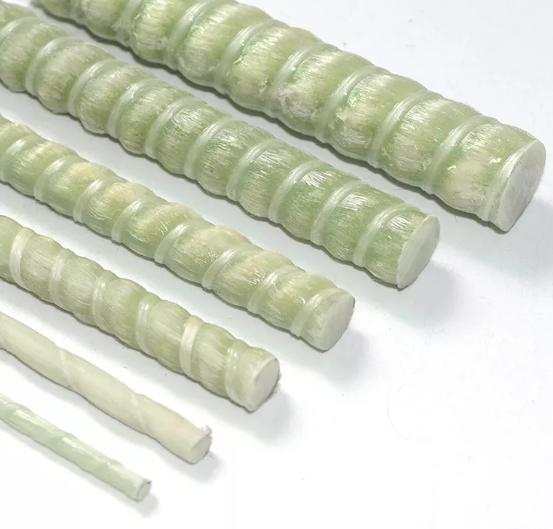
Fiberglass rebar consists of high-strength fiberglass fibers embedded in a resin matrix, often made of epoxy or vinyl ester. This combination allows the rebar to maintain exceptional tensile strength while being significantly lighter than steel rebar. The high tensile strength of fiberglass rebar makes it suitable for reinforcing large concrete structures that are subjected to heavy loads. Unlike steel, fiberglass rebar does not corrode, even in highly aggressive environments such as coastal regions or areas exposed to de-icing salts. This makes it an ideal choice for infrastructure projects in these conditions.
Fiberglass rebar functions similarly to steel in reinforcing concrete. It improves the concrete’s ability to bear loads and provides support to structures. However, due to its corrosion resistance, fiberglass rebar provides a longer lifespan for concrete structures, reducing the need for costly repairs and replacements. The threaded nature of fiberglass rebar enhances its interaction with concrete, ensuring better anchoring and load transfer.
Advantages of Using Fiberglass Rebar in Concrete
The main advantages of fiberglass rebar are its corrosion resistance, lightweight nature, and high tensile strength.
Corrosion Resistance: Fiberglass rebar is immune to rust, which makes it ideal for use in structures exposed to water, salt, and chemicals. This feature significantly extends the life of concrete infrastructure. Unlike traditional steel rebar, which can deteriorate over time, fiberglass rebar remains intact and maintains its structural integrity, even in the harshest environments.
Lightweight: Fiberglass rebar weighs much less than steel, making it easier to transport and handle, thus reducing labor costs during installation. The lightweight nature of fiberglass rebar also simplifies handling during construction, reducing the risk of injury on job sites. This advantage is especially important for large-scale projects where handling and installing rebar can be time-consuming and physically demanding.
High Strength: Despite being lightweight, fiberglass rebar can bear up to two or three times the tensile strength of steel, allowing it to withstand heavy loads in structural applications. This strength makes it suitable for high-performance projects that require reliable reinforcement over the long term. Additionally, its high tensile strength contributes to its durability and effectiveness in concrete reinforcement.
Environmental Sustainability: Fiberglass rebar requires less concrete cover than steel rebar, reducing the carbon footprint of construction projects. The lower environmental impact and the material's ability to withstand harsh conditions for decades make fiberglass rebar a more sustainable option compared to traditional steel reinforcement.
Use fiberglass rebar in coastal and high-moisture environments to reduce maintenance costs and enhance structural longevity. Its corrosion resistance makes it the perfect solution for reducing the long-term costs associated with repairs and replacements.The following table compares the key features of fiberglass rebar and steel rebar to highlight the advantages of using fiberglass rebar in concrete applications.
| Feature | Fiberglass Rebar | Steel Rebar |
| Corrosion Resistance | Excellent (immune to rust and corrosion) | Poor (rusts over time) |
| Weight | Lightweight (up to 75% lighter) | Heavy (requires more labor) |
| Tensile Strength | 2-3 times higher than steel | Standard (lower tensile strength) |
| Sustainability | Highly sustainable, reduced carbon footprint | Less sustainable, higher impact |
| Maintenance Requirements | Minimal, no corrosion-related issues | High, requires frequent repairs |
Bonding Mechanisms of Fiberglass Rebar with Concrete
Factors Affecting Bond Strength of Fiberglass Rebar
The bond strength between fiberglass rebar and concrete is influenced by several factors, including the surface treatment of the rebar, the mix design of the concrete, and the curing conditions. To ensure optimal bond strength, the following elements must be considered:
Surface Texture: The surface of fiberglass rebar can be treated to improve its bond with concrete. Sand coatings or ribbed surfaces help increase mechanical interlocking between the rebar and the surrounding concrete. A rough surface provides greater contact area for the bonding process, which enhances the overall bond strength.
Concrete Strength: Higher concrete strength generally improves the bond between the rebar and concrete, as it enhances the friction and adhesion at the interface. Stronger concrete provides better anchorage for the rebar, leading to a more secure bond that can withstand long-term structural loads.
Embedment Length: Longer embedment lengths allow for better stress distribution, which improves bond strength, especially in threaded fiberglass rebar. The greater the surface area of the rebar embedded in the concrete, the stronger the bond, which ultimately leads to a more stable structure.
How Fiberglass Rebar Bonding Differs from Steel Rebar
Fiberglass rebar exhibits different bonding characteristics compared to steel. Steel relies on its rough surface and chemical adhesion to bond with concrete, while fiberglass rebar's bond is more reliant on surface treatments such as sand coatings or helical wrapping. These treatments create a mechanical interlock with the concrete, allowing for a strong bond despite fiberglass' smooth surface. Fiberglass rebar does not expand or rust, which eliminates many of the issues typically associated with steel rebar bonding in harsh environments.
The bond strength of fiberglass rebar is also less affected by environmental conditions, such as humidity and chemical exposure, which can cause steel rebar to corrode. This is a major advantage when considering the long-term durability of reinforced concrete structures.
Surface Treatment Methods to Improve Bonding
To maximize the bond between fiberglass rebar and concrete, surface treatments are crucial. Sand coating increases surface roughness, improving friction and mechanical bond strength. Helical wrapping, on the other hand, provides additional mechanical interlocking, which further enhances the rebar’s performance in concrete.
By improving the surface characteristics of fiberglass rebar, these treatments ensure a robust bond with the concrete, preventing bond failure and enhancing the overall stability of the structure. In addition, surface treatment increases the resistance to shear forces and other stresses that may affect the concrete over time.
Tip: Incorporate sand-coated or ribbed fiberglass rebar for projects requiring higher bond strength, such as bridge decks or coastal infrastructure. These treatments significantly enhance the bond between the rebar and concrete, ensuring better long-term performance.
Maximizing Bond Strength of Fiberglass Rebar in Concrete
Importance of Proper Surface Treatment for Bond Strength
Surface treatment plays a pivotal role in ensuring strong bond performance. Without proper treatment, the bond between fiberglass rebar and concrete may not be strong enough to withstand heavy loads. Sand coating or ribbed patterns on the rebar surface improve the frictional resistance, ensuring that the rebar can anchor securely into the concrete matrix.
A well-treated surface provides a higher quality bond that leads to fewer maintenance issues and a longer-lasting structure. The treatment also prevents slippage, which can occur when the rebar shifts or moves within the concrete, reducing the risk of structural failure.
How Concrete Mix and Strength Affect Bonding
The concrete mix plays a significant role in determining the bond strength with fiberglass rebar. Using high-strength concrete improves the overall adhesion between the rebar and the concrete. A concrete mix with a lower water-cement ratio and higher compressive strength typically provides better bonding conditions, especially when combined with surface-treated fiberglass rebar.
The mix design should be carefully tailored to the project’s requirements. For example, concrete mixes designed for high-load applications require a higher compressive strength to ensure that the bond between the rebar and the concrete is as strong as possible.
For best results, use high-strength concrete with a water-cement ratio between 0.40–0.45 when installing fiberglass rebar, particularly in demanding structural applications. This combination will improve the bond and ensure greater structural stability.
Best Practices for Installing Fiberglass Rebar
To maximize the bond strength during installation, ensure the following best practices:
Accurate Placement: Since fiberglass rebar cannot be bent on-site, precise placement during installation is essential. This requires careful planning and adherence to design specifications. Accurate placement prevents misalignment and ensures that the rebar is properly embedded in the concrete.
Proper Spacing: Maintain proper spacing between bars to prevent excessive cracking or stress concentrations in the concrete. This spacing helps distribute loads evenly, reducing the risk of localized failure.
Use of Mechanical Splices: When joining sections of fiberglass rebar, mechanical splicing is recommended to avoid weakening the bond, which may occur with welding or bending on-site. Mechanical splices ensure that the connection between rebar sections is secure and effective.
Avoid welding fiberglass rebar on-site, as it can compromise the bond strength. Use mechanical splicing methods instead. This will help ensure a long-lasting and strong bond between the rebar and concrete.
Key Applications of Fiberglass Rebar in Concrete Structures
Using Fiberglass Rebar in Bridges and Roadways
Fiberglass rebar is an ideal solution for reinforcing concrete in bridge decks, roadways, and overpasses. Its resistance to corrosion makes it especially valuable in environments where de-icing salts and moisture are prevalent, significantly reducing the need for future repairs and maintenance. In addition, fiberglass rebar can be used in combination with other materials to provide superior structural performance.
Benefits of Fiberglass Rebar in Underground Structures
In underground applications such as parking garages, tunnels, and sewage systems, fiberglass rebar provides enhanced durability against moisture and chemicals, ensuring the long-term integrity of the structure. Its non-corrosive nature prevents the formation of rust, which can compromise the structural performance of traditional steel-reinforced concrete. By using fiberglass rebar, you eliminate the risk of corrosion-related issues, ensuring that the underground structure remains strong and stable over time.
Fiberglass Rebar in Precast Concrete and Architectural Walls
Fiberglass rebar is becoming increasingly popular in the precast concrete industry, where it enhances the durability of elements such as walls, floors, and facades. Its lightweight nature simplifies handling and reduces transportation costs, while its corrosion resistance ensures the longevity of the precast elements.
Comparing Fiberglass Rebar and Steel Rebar in Concrete
Tensile Strength and Elasticity Comparison
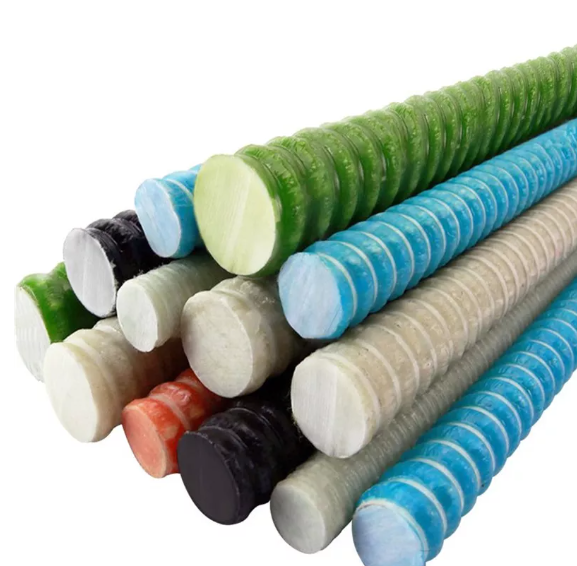
Fiberglass rebar boasts higher tensile strength than steel, making it ideal for heavy-load applications. However, it has a lower modulus of elasticity compared to steel, which may result in more deflection under load. Engineers should account for this when designing structures that use fiberglass rebar to ensure they meet serviceability requirements. The deflection may be higher, but the durability and reduced maintenance needs of fiberglass rebar make it a cost-effective solution in the long run.The table below compares the tensile strength and elasticity of fiberglass rebar and steel rebar, highlighting key differences in performance.
| Property | Fiberglass Rebar | Steel Rebar |
| Tensile Strength | 2-3 times higher than steel | Standard tensile strength |
| Modulus of Elasticity | Lower modulus (more deflection under load) | Higher modulus (stiffer under load) |
| Corrosion Resistance | Excellent (no rust, immune to corrosion) | Poor (rusts over time) |
| Durability | Longer lifespan due to corrosion resistance | Shorter lifespan due to rust |
Cost and Lifetime Analysis of Fiberglass vs. Steel Rebar
While the initial cost of fiberglass rebar may be higher than steel, its long-term benefits far outweigh this cost. The reduced need for maintenance and repairs, coupled with its corrosion resistance, results in significant cost savings over the lifespan of a structure. Additionally, fiberglass rebar’s lightweight nature reduces transportation and installation costs.
Tip: Although fiberglass rebar may have a higher upfront cost, its superior durability and reduced maintenance needs make it a cost-effective solution over time. This makes it especially suitable for projects that demand long-term performance and minimal upkeep.
Conclusion
Fiberglass rebar is becoming essential in modern construction due to its corrosion resistance, high tensile strength, and lightweight properties. It’s ideal for a variety of applications, from bridges to underground structures. As the industry moves toward more sustainable and durable solutions, fiberglass rebar is set to play a key role.
Anhui SenDe New Materials Technology Development Co., Ltd. offers advanced fiberglass rebar products that enhance durability and reduce long-term maintenance costs. Their innovative products align with the industry's push for sustainable construction practices, offering excellent value for infrastructure projects.
FAQ
Q: What is Fiberglass Rebar and how does it work?
A: Fiberglass rebar is a composite material made from high-strength fiberglass fibers embedded in a resin matrix. It works as a reinforcement material in concrete, providing strength and durability while being resistant to corrosion.
Q: Why is Threaded Fiberglass Rebar used in concrete?
A: Threaded fiberglass rebar ensures a strong bond with concrete due to its unique surface texture, improving anchoring and load transfer. It is commonly used in harsh environments to resist corrosion.
Q: What are the benefits of using Fiberglass Rebar over steel rebar?
A: Fiberglass rebar is lightweight, corrosion-resistant, and has higher tensile strength than steel, making it ideal for applications in corrosive or high-moisture environments.
Q: How does the bond strength of Fiberglass Rebar compare to steel rebar?
A: Fiberglass rebar provides a reliable bond with concrete, especially when surface-treated, and outperforms steel in corrosion resistance, though it has a lower modulus of elasticity, leading to more deflection under load.
Q: How much does Fiberglass Rebar cost compared to steel rebar?
A: While the initial cost of fiberglass rebar is higher than steel, it offers long-term cost savings due to its durability, lower maintenance, and corrosion resistance, especially in harsh environments.
Q: Can Threaded Fiberglass Rebar be used for large-scale infrastructure projects?
A: Yes, threaded fiberglass rebar is suitable for large-scale infrastructure projects, including bridges, tunnels, and roadways, due to its high tensile strength and durability.


