Introduction
Are you looking for a material that outperforms steel in harsh conditions? Fiberglass Rebar and Basalt Fiber Rebar are two alternatives that offer significant advantages. These composite materials provide superior corrosion resistance, high tensile strength, and exceptional thermal stability, making them ideal for challenging environments.
In this article, we’ll compare the strengths, weaknesses, and key differences between Fiberglass Rebar and Basalt Fiber Rebar. You’ll learn which material is best suited for your construction needs based on factors like cost, performance, and environmental conditions.
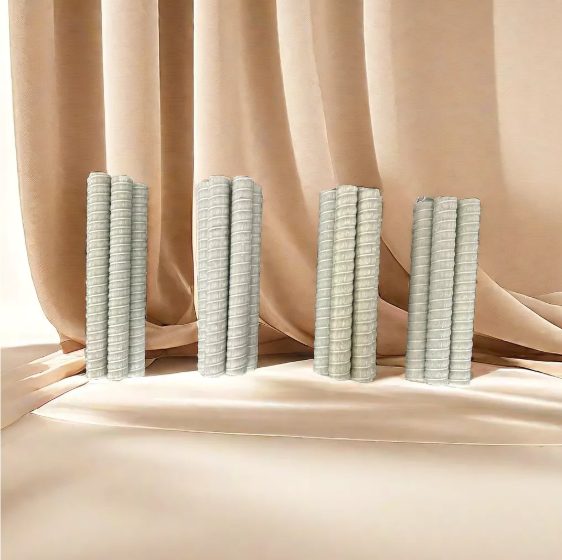
Understanding the Basics: Fiberglass Rebar vs. Basalt Fiber Rebar
What is Fiberglass Rebar?
Fiberglass rebar is a type of composite material made by embedding glass fibers into a polymer matrix, typically epoxy or vinyl ester resin. This manufacturing process results in a lightweight, non-corrosive reinforcement material that is ideal for environments where steel rebar would degrade quickly due to exposure to moisture, salt, or other corrosive agents. The key characteristic of fiberglass rebar is its high tensile strength, which is up to twice that of steel. This makes it a perfect choice for various civil engineering applications, including bridge decks, swimming pools, parking lots, and sidewalks.
In addition to its strength, fiberglass rebar is known for its electrical insulation properties, which make it ideal for projects that require non-conductive materials. Hospitals, data centers, and other high-tech buildings are prime examples of where fiberglass rebar excels. Its non-conductivity ensures that it won't interfere with sensitive electrical equipment or cause electromagnetic interference.
What is Basalt Fiber Rebar?
Basalt fiber rebar, on the other hand, is made from continuous basalt fibers, which are derived from volcanic rock. The basalt rock is melted at extremely high temperatures and extruded into fibers. These fibers are then impregnated with a resin to form the rebar rods. Basalt fiber rebar is known for its exceptional strength and durability, with a tensile strength greater than steel. The material's natural properties make it highly resistant to both corrosion and high temperatures.
The key difference between basalt fiber rebar and fiberglass rebar lies in the raw material: basalt rebar is made from natural volcanic rock, whereas fiberglass rebar is made from man-made glass fibers. This natural origin makes basalt rebar a more eco-friendly option compared to fiberglass, which can have a higher environmental impact during production. Additionally, basalt fiber rebar's high thermal resistance makes it ideal for applications in high-heat environments, such as industrial floors or foundations exposed to extreme temperatures.
Key Differences: Strength, Corrosion, and Cost Comparison
Strength and Elasticity: Comparing Performance in Concrete
When comparing Basalt Fiber Rebar to fiberglass rebar, the basalt option shines in terms of raw strength. Basalt rebar is up to 2.5 times stronger than steel, and its elastic modulus is similar to that of concrete. This characteristic makes basalt rebar a great choice for applications that demand both strength and flexibility, such as roads, bridges, and structures exposed to significant stress. It also reduces the likelihood of cracking in concrete, which is a common issue when steel rebar is used.
In contrast, Fiberglass Rebar has a lower elastic modulus, making it more flexible and allowing it to elongate under tension. While this gives it some advantages in applications requiring flexibility, it is not as stiff as basalt rebar or steel. The lower modulus of elasticity means fiberglass rebar may not be suitable for projects where higher rigidity and performance under load are essential, such as in large, load-bearing concrete structures.
Corrosion Resistance: Performance in Harsh Environments
Both Fiberglass Rebar and Basalt Fiber Rebar offer superior corrosion resistance compared to steel, which is particularly beneficial for construction in coastal or chemical-exposed areas. Both materials are impervious to moisture and salt, and they do not rust or degrade over time, making them ideal for environments where steel rebar would typically fail due to corrosion.
However, Basalt Fiber Rebar offers slightly better resistance to corrosion in extremely harsh environments, as its natural basalt composition makes it more resilient to aggressive chemicals and salts. Fiberglass rebar, while still highly resistant to corrosion, can be prone to degradation when exposed to UV light for extended periods. Therefore, basalt rebar may be a better option in environments where UV exposure is a concern.
Thermal Resistance: Heat Resistance and Fire Safety
In terms of heat resistance, Basalt Fiber Rebar is clearly the superior choice. With a melting point of 1450°C, it can withstand significantly higher temperatures than fiberglass rebar, which melts at around 700-900°C. This high thermal resistance makes basalt rebar ideal for use in structures exposed to extreme heat, such as industrial floors, high-temperature environments, or areas at risk of fire. Its low thermal conductivity further enhances fire safety, preventing heat transfer and maintaining the integrity of concrete structures.
In contrast, Fiberglass Rebar has a lower thermal resistance, making it more susceptible to damage in high-temperature environments. While fiberglass rebar can still perform well in normal temperature ranges, it may not be the best choice for projects exposed to intense heat or fire risks.
Cost Considerations: Initial Investment vs. Long-Term Savings
Basalt Fiber Rebar typically comes at a higher upfront cost compared to fiberglass rebar. This is largely due to the more expensive production process and the fact that basalt rebar is a newer material with limited availability in the market. However, the higher initial cost is often offset by the material’s long-term durability and performance. Basalt rebar has a longer lifespan, requiring less maintenance and offering superior protection against corrosion and high temperatures. Over time, these factors can result in significant savings in maintenance and replacement costs.
Fiberglass Rebar, on the other hand, is more affordable and widely available, making it an attractive option for budget-conscious projects. While it may not offer the same long-term performance as basalt rebar in extreme environments, its lower initial cost makes it a viable solution for many standard construction projects where cost is a more pressing concern. Here’s a summary of the key differences between Fiberglass Rebar and Basalt Fiber Rebar in the table below:
| Property | Fiberglass Rebar | Basalt Fiber Rebar |
| Tensile Strength | Up to 2 times stronger than steel | 2.5 times stronger than steel |
| Elastic Modulus | Lower than basalt and steel | Similar to concrete |
| Corrosion Resistance | Excellent, but UV sensitive | Superior, no degradation in UV |
| Thermal Resistance | Melts at 700-900°C | Melts at 1450°C |
| Weight | Light (up to 7x lighter than steel) | Light (5x lighter than steel) |
| Cost | More affordable | More expensive upfront |
| Sustainability | Less natural, more energy-intensive | Made from natural volcanic rock |
| Electrical Properties | Non-conductive, non-magnetic | Non-conductive, non-magnetic |
Other Key Factors: Installation, Electrical Properties, and Sustainability
Installation and Weight: Benefits of Lightweight Rebar
Both Fiberglass Rebar and Basalt Fiber Rebar are significantly lighter than steel rebar, which offers several advantages during the installation process. The reduced weight makes the materials easier to transport, handle, and install, speeding up construction timelines and reducing labor costs. This is particularly important in projects with weight restrictions or limited space, such as high-rise buildings or retrofitting projects. Additionally, the lightweight nature of these materials reduces transportation costs, which can further lower the overall project expenses.
| Property | Fiberglass Rebar | Basalt Fiber Rebar |
| Weight | Up to 7 times lighter than steel | 5 times lighter than steel |
| Ease of Handling | Easier to transport and handle | Easier to transport and handle |
| Installation Speed | Faster due to lighter weight | Faster due to lighter weight |
| Labor Costs | Reduced labor costs due to lightness | Reduced labor costs due to lightness |
Electrical and Magnetic Properties: Non-Conductivity Advantages
Both Fiberglass Rebar and Basalt Fiber Rebar are non-conductive and non-magnetic, making them suitable for use in sensitive environments such as hospitals, data centers, and research labs. Unlike steel, these composite materials do not pose a risk of electrical interference, which is critical in buildings housing sensitive electronic equipment. Their non-magnetic properties also make them ideal for use in areas where magnetic fields can interfere with medical imaging devices like MRI machines.
Environmental Impact: Sustainability and Material Sourcing
Basalt Fiber Rebar is a natural material made from volcanic rock, which makes it a more sustainable choice compared to fiberglass rebar. The production process is energy-efficient, and no harmful chemicals are involved. As basalt is abundant in nature, basalt fiber rebar is an environmentally friendly option that reduces the overall environmental footprint of a construction project.
In comparison, Fiberglass Rebar is made from silica and other raw materials, which can have a higher environmental impact during production. While it still offers eco-friendly benefits compared to steel, such as longer service life and less maintenance, it is not as natural as basalt rebar. If sustainability is a key priority in your project, basalt rebar is the better choice.

Making the Right Choice: Which Rebar to Use for Your Project?
Reasons to Choose Fiberglass Rebar for Budget-Friendly Projects
If you're working with a limited budget or need a material for a standard construction project that doesn't require extreme heat resistance, Fiberglass Rebar may be the best choice. Its affordability and availability make it a popular option for residential foundations, parking lots, sidewalks, and other civil engineering projects. Its excellent corrosion resistance and strength ensure that it performs well in most environments without the high cost of basalt rebar.
Reasons to Choose Basalt Fiber Rebar for High-Performance Projects
For projects where long-term durability, high-temperature resistance, and environmental sustainability are critical, Basalt Fiber Rebar is the superior choice. Its strength, resistance to corrosion, and ability to withstand extreme temperatures make it ideal for infrastructure projects such as highways, industrial floors, and coastal structures. Although it may come at a higher upfront cost, its superior performance and longevity can result in significant long-term savings and reduced maintenance.
Practical Examples: How to Choose Between Fiberglass Rebar and Basalt Fiber Rebar
To better understand how Fiberglass Rebar and Basalt Fiber Rebar perform in real-world applications, let’s explore a few practical examples:
1. Coastal Infrastructure Project
Imagine you’re working on the construction of a seawall in a coastal city. The environment is highly corrosive due to saltwater exposure, which can quickly degrade traditional steel rebar. In this case, Fiberglass Rebar would be an excellent choice. Its corrosion-resistant properties make it ideal for coastal applications where the material needs to withstand constant exposure to moisture and salt. Additionally, its lighter weight would speed up the installation process, saving both time and labor costs.
However, if the seawall is also exposed to high temperatures from nearby industrial processes, Basalt Fiber Rebar might be a better option. Its higher thermal resistance and superior durability in extreme conditions would ensure the seawall remains intact even in the face of heat and harsh chemicals, making it a more long-term investment for such high-stress environments.
2. Road Construction in Hot Climates
In road construction, especially in areas where temperatures can soar above 100°F (38°C), choosing the right rebar is critical. Basalt Fiber Rebar’s high melting point of 1450°C and low thermal conductivity make it perfect for such high-temperature applications. It helps maintain the structural integrity of concrete under extreme heat, reducing the risk of cracks and other issues commonly associated with temperature fluctuations.
If budget is a concern and the area is not exposed to extreme heat, Fiberglass Rebar could still be a good option. It is lighter, more cost-effective, and provides sufficient strength for standard road infrastructure projects, offering a more affordable alternative without compromising the overall quality of the concrete.
3. Commercial Building Foundations
For commercial buildings, particularly those with heavy machinery or equipment that require a stable, non-corrosive foundation, Fiberglass Rebar may be the best choice. Its lightweight nature makes it easy to handle and install, while its non-corrosive properties ensure that the foundation will last longer in environments with high moisture levels or minimal concrete coverage.
On the other hand, Basalt Fiber Rebar would be ideal for foundations in areas prone to seismic activity or locations that experience extreme temperature variations. Its superior tensile strength and ability to perform under both high stress and temperature extremes make it a better fit for critical infrastructure that needs to stand the test of time and natural forces.
These examples demonstrate how Fiberglass Rebar and Basalt Fiber Rebar each have their place depending on the project's unique conditions, environmental factors, and budget constraints.
Conclusion
In conclusion, both Fiberglass Rebar and Basalt Fiber Rebar are excellent alternatives to traditional steel rebar. They offer superior performance, especially in terms of corrosion resistance, strength, and thermal stability. The choice between them depends on your project’s specific needs. If you're working with a budget and don’t require extreme heat resistance, Fiberglass Rebar is the better option. However, for projects exposed to harsh environmental conditions and requiring high-temperature resistance, Basalt Fiber Rebar is the ideal choice.
Understanding these key differences allows you to make a well-informed decision for your construction needs, ensuring both durability and cost-effectiveness. Anhui SenDe New Materials Technology Development Co., Ltd. offers innovative rebar solutions, helping you choose the right material for your project with its high-quality products that provide long-term value.
FAQ
Q: What is Fiberglass Rebar and how is it used?
A: Fiberglass Rebar is a composite material made from glass fibers embedded in a resin matrix. It’s widely used in concrete reinforcement, offering corrosion resistance, high tensile strength, and lighter weight compared to steel rebar.
Q: What are the advantages of Basalt Fiber Rebar over Fiberglass Rebar?
A: Basalt Fiber Rebar offers superior heat resistance and strength compared to Fiberglass Rebar. It’s ideal for high-temperature environments and provides better durability in harsh conditions like coastal and industrial zones.
Q: How does the cost of Fiberglass Rebar compare to Basalt Fiber Rebar?
A: Fiberglass Rebar is more affordable upfront compared to Basalt Fiber Rebar, which has a higher initial cost. However, basalt rebar offers long-term savings due to its superior durability and performance in extreme environments.
Q: Why should I choose Fiberglass Rebar for my project?
A: Choose Fiberglass Rebar if you need a budget-friendly solution that offers corrosion resistance and lightweight properties. It’s perfect for standard construction applications, especially in non-extreme environments.
Q: Can Fiberglass Rebar handle high temperatures?
A: Fiberglass Rebar can handle moderate temperatures, but it has a lower melting point compared to Basalt Fiber Rebar. For extreme heat resistance, basalt rebar is a better choice.
Q: How long does Fiberglass Rebar last compared to Basalt Fiber Rebar?
A: Fiberglass Rebar has a long lifespan but may degrade over time in UV-exposed environments. Basalt Fiber Rebar, however, lasts longer in harsh conditions, offering superior resistance to corrosion and temperature changes.


