Fiberglass rebar, also known as Glass Fiber Reinforced Polymer (GFRP) rebar, is a non-metallic reinforcement material that has become increasingly popular in the construction industry. Made from a composite of glass fibers and polymer resin, fiberglass rebar offers remarkable benefits compared to traditional steel rebar. It is lightweight, corrosion-resistant, non-conductive, and possesses a high strength-to-weight ratio, making it suitable for a wide variety of applications.
In this article, we will explore the uses of fiberglass rebar, its advantages over traditional materials, and where it is most commonly applied. We will also examine the factors to consider when using fiberglass rebar in construction and how it contributes to more sustainable, durable, and cost-effective projects.
What is Fiberglass Rebar?
Defining Fiberglass Rebar
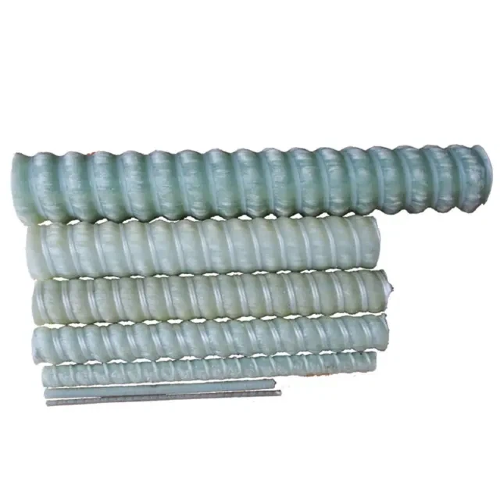
Fiberglass rebar is a type of reinforcement bar made from glass fibers that are embedded in a polymer resin matrix. The resulting material is highly resistant to corrosion, more durable than traditional steel, and significantly lighter, making it easier to handle during installation. The primary benefit of fiberglass rebar is its ability to withstand harsh environmental conditions that would typically cause steel rebar to corrode, making it ideal for use in projects exposed to moisture, chemicals, and saltwater.
Composition and Manufacturing Process
Fiberglass rebar is produced by weaving continuous glass fibers into a pattern and then impregnating them with a resin that hardens to form a solid structure. This composite material combines the strength and flexibility of glass fibers with the corrosion resistance of polymer resin, making fiberglass rebar a durable alternative to steel rebar.
Key Features of Fiberglass Rebar:
Lightweight: Up to 75% lighter than traditional steel rebar, making it easier to transport and handle.
Corrosion Resistance: Unlike steel, fiberglass rebar does not rust or corrode, making it suitable for use in challenging environments like coastal areas and wastewater systems.
Non-Conductive: Fiberglass rebar does not conduct electricity, which is an important safety feature in electrical-sensitive environments.
High Strength-to-Weight Ratio: Despite being lightweight, fiberglass rebar maintains a high tensile strength, providing excellent reinforcement for concrete structures.
Comparison with Traditional Steel Rebar
Feature | Fiberglass Rebar | Steel Rebar |
Weight | 75% lighter than steel | Heavy, making transportation and installation more challenging |
Corrosion Resistance | Highly resistant to corrosion | Prone to rust and corrosion in harsh environments |
Electrical Conductivity | Non-conductive | Conductive, which can be a safety hazard in some applications |
Strength | High tensile strength comparable to steel | High strength, but reduced by corrosion over time |
Durability | Extremely durable, especially in harsh conditions | Vulnerable to environmental factors, requiring maintenance |
Cost | Higher initial cost but lower long-term maintenance | Lower upfront cost but higher maintenance costs due to corrosion |
Fiberglass rebar has quickly become an attractive alternative to steel, particularly in applications where corrosion resistance and low weight are crucial for the integrity of the structure.
Common Uses of Fiberglass Rebar
Fiberglass rebar is used in various construction projects, from infrastructure to marine and industrial applications. Its corrosion resistance, high strength, and lightweight properties make it an ideal choice for a range of environments. Below are some of the most common applications for fiberglass rebar:
1. Construction of Infrastructure
Roadways and Highways
Fiberglass rebar is commonly used in the construction of roadways and highways, especially in areas where the infrastructure is subject to harsh weather conditions and chemical exposure. Its resistance to corrosion extends the lifespan of the concrete, reducing maintenance costs and the need for frequent repairs.
Bridges
In bridge construction, fiberglass rebar is used to reinforce concrete, providing durability and resistance to the corrosion caused by saltwater, de-icing chemicals, and other environmental factors. Bridges located in coastal areas or regions with extreme temperatures benefit greatly from fiberglass rebar's superior performance.
2. Marine Structures
Coastal and Offshore Construction
Fiberglass rebar is particularly effective in marine environments, where steel rebar would typically corrode due to exposure to saltwater. Fiberglass rebar can be used in the construction of piers, docks, seawalls, and other marine structures, offering long-term durability without the need for extensive maintenance.
Water Treatment Facilities
Water treatment facilities that process saltwater or chemically treated water rely on fiberglass rebar to maintain the integrity of their concrete structures. The material's resistance to corrosion ensures that these facilities remain functional for longer periods, reducing operational costs.
3. Sewer and Wastewater Systems
Sewer systems and wastewater treatment plants often operate in highly corrosive environments due to the chemicals and gases present in wastewater. Fiberglass rebar provides reinforcement for concrete pipes, manholes, and other infrastructure, ensuring long-term performance without the degradation that occurs with steel rebar.
4. Chemical and Industrial Facilities
Chemical Plants
In chemical plants, fiberglass rebar is used to reinforce concrete structures that are exposed to aggressive chemicals. Unlike steel, fiberglass rebar does not degrade in the presence of acids, alkalis, or other harsh substances, making it an ideal choice for tanks, reactors, and storage facilities.
Industrial Infrastructure
Industrial facilities that deal with high levels of moisture or exposure to chemicals often use fiberglass rebar in their concrete structures. Its ability to withstand such conditions without compromising the integrity of the concrete makes it invaluable in maintaining the safety and stability of these facilities.
5. High Voltage Electrical Installations
Fiberglass rebar is used in high-voltage electrical installations and power plants where electrical conductivity is a concern. The non-conductive nature of fiberglass rebar ensures that there is no risk of electrical shorts or interference with sensitive electrical equipment.
6. Residential and Commercial Projects
Building Construction
Fiberglass rebar is becoming more commonly used in residential and commercial building projects, particularly in earthquake-prone areas. Its lightweight properties make it easier to handle and install, while its strength provides the necessary reinforcement for concrete slabs, foundations, and walls.
Green Building Initiatives
As the demand for sustainable building materials grows, fiberglass rebar is increasingly being used in green construction projects. Its durability and resistance to corrosion align with the goals of eco-friendly and low-maintenance designs.
Advantages of Using Fiberglass Rebar
1. Corrosion Resistance
One of the primary benefits of fiberglass rebar is its exceptional resistance to corrosion. In environments where traditional steel rebar would degrade over time due to rust, fiberglass rebar maintains its structural integrity for decades, making it an ideal choice for projects exposed to moisture, chemicals, or saltwater.
2. Lightweight
Fiberglass rebar is significantly lighter than steel rebar, which makes it easier to handle and transport. This reduces labor costs and makes it an ideal option for projects where heavy lifting equipment is not available or feasible.
3. Increased Lifespan
Because fiberglass rebar does not corrode, it significantly extends the lifespan of reinforced concrete structures. This results in fewer repairs and maintenance over the life of the structure, offering long-term cost savings.
4. Cost Efficiency
While fiberglass rebar may have a higher initial cost compared to steel, it often leads to cost savings over the life of the project. The reduced need for maintenance and repairs, as well as the longer lifespan, makes fiberglass rebar a cost-effective solution in the long run.
5. Non-Conductive
The non-conductive nature of fiberglass rebar makes it a safe choice for applications involving electrical systems, ensuring that there is no risk of electrical shorts or interference with sensitive equipment.
Factors to Consider When Using Fiberglass Rebar
1. Load-Bearing Requirements
Fiberglass rebar is an excellent choice for many applications, but it is important to consider the load-bearing requirements of the specific project. While fiberglass rebar offers comparable strength to steel in many cases, it may not be suitable for projects requiring exceptionally high load-bearing capacity.
2. Environmental Conditions
Fiberglass rebar excels in environments where steel would corrode, such as coastal areas or wastewater treatment plants. However, for areas where exposure to harsh conditions is minimal, steel rebar may still be a more economical choice.
3. Installation Considerations
The installation of fiberglass rebar requires different techniques compared to traditional steel rebar. It is essential to follow the manufacturer's guidelines and use the appropriate tools for cutting and securing the rebar in place.
4. Cost vs. Benefit
Fiberglass rebar often comes with a higher upfront cost compared to steel. However, the long-term benefits, including reduced maintenance and longer lifespan, make it a cost-effective option for certain applications.
Conclusion
Fiberglass rebar is a versatile, durable, and corrosion-resistant alternative to traditional steel rebar, offering significant advantages across a wide range of construction applications. Whether for infrastructure projects such as bridges and highways or for marine and industrial use, fiberglass rebar provides reliable reinforcement, especially in challenging environments. Its lightweight and non-corrosive properties make it an ideal solution for areas exposed to moisture, chemicals, and extreme weather conditions.
At JIMEI CHEMICAL Co., Ltd., we specialize in providing high-quality fiberglass rebar and other composite materials designed to meet the needs of modern construction. Our products offer long-term durability and cost savings, making them the perfect choice for projects requiring strong, sustainable, and maintenance-free reinforcement. We understand that every project has unique demands, which is why we provide tailored solutions to ensure the success of your construction.
For more information on how our fiberglass rebar can benefit your project, or to discuss your specific requirements, feel free to reach out to us. Our expert team is ready to assist you in making the best choice for your construction needs.
FAQ
1. What makes fiberglass rebar better than steel rebar?
Fiberglass rebar is lighter, more corrosion-resistant, and non-conductive, making it ideal for environments where steel would corrode or conduct electricity.
2. Can fiberglass rebar be used in all construction projects?
While fiberglass rebar is excellent for many applications, it is particularly effective in corrosive or chemically harsh environments and in applications requiring lightweight reinforcement.
3. Is fiberglass rebar stronger than steel?
Fiberglass rebar has comparable tensile strength to steel, but it offers superior resistance to corrosion, making it more durable in certain conditions.
4. How long does fiberglass rebar last?
Fiberglass rebar can last significantly longer than steel rebar, especially in environments exposed to moisture, chemicals, and other corrosive elements.
5. Is fiberglass rebar more expensive than steel?
While fiberglass rebar may have a higher initial cost, it can save money in the long term due to reduced maintenance, repair, and replacement costs.


