Soil nailing is an essential method for stabilizing the ground in construction projects, from tunnels to retaining walls and slope stabilization. While traditional steel soil nails have been used for decades, the emergence of GFRP Soil Nails (Glass Fiber Reinforced Polymer) has revolutionized how construction projects approach ground stabilization. GFRP Soil Nails offer numerous advantages, particularly in reducing construction costs and improving efficiency throughout the project lifecycle.
This article explores how GFRP Soil Nails help to reduce costs in the construction process and increase project efficiency, making them the ideal choice for modern, sustainable construction projects.
1. The Role of Soil Nailing in Modern Construction
Overview of Soil Nailing
Soil nailing is a technique used to stabilize and reinforce soil in various construction applications, such as retaining walls, tunnels, slope stabilization, and excavation sites. This technique involves inserting long, slender rods (soil nails) into the soil and grouting them to provide support. These nails reinforce the soil, prevent soil movement, and contribute to the overall stability of structures.
The Emergence of GFRP Soil Nails
Traditional soil nails have primarily been made from steel. However, as construction technology has advanced, GFRP Soil Nails have become increasingly popular. These composite nails are made from glass fibers combined with polymer resins, offering significant advantages over traditional materials, particularly in cost reduction and efficiency improvements.
Focus on Cost Reduction and Efficiency
In any construction project, controlling costs while maintaining quality and ensuring the timely completion of the project is essential. GFRP Soil Nails contribute to these goals by reducing material costs, labor expenses, and long-term maintenance needs, making them an ideal solution for ground stabilization in challenging environments.
2. Understanding GFRP Soil Nails
What Are GFRP Soil Nails?
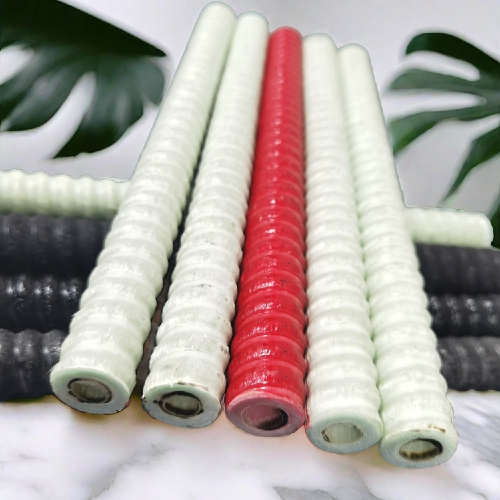
GFRP Soil Nails are made from glass fibers and polymer resins. The glass fibers provide strength and rigidity, while the resin binds the fibers together and adds durability. The resulting material is lightweight, corrosion-resistant, and strong, making it perfect for soil stabilization applications. Unlike traditional steel nails, GFRP Soil Nails do not rust, offering a significant advantage in corrosive or moist environments.
How GFRP Soil Nails Work
GFRP Soil Nails are installed in a similar manner to traditional steel nails. A hole is drilled into the soil, and the GFRP soil nail is inserted. Once in place, the nail is grouted, securing it within the soil. This process provides stability and prevents soil movement in applications like retaining walls or slope stabilization.
The primary function of GFRP Soil Nails is to transfer the load from the soil onto the structural elements of a project, helping to maintain the stability of slopes, prevent erosion, and reinforce walls.
Key Benefits of GFRP Materials
Corrosion Resistance: GFRP Soil Nails do not corrode, which makes them ideal for use in wet, salty, or chemically aggressive environments.
Lightweight: Their lightweight nature makes them easy to handle and install, reducing transport and labor costs.
High Strength: Despite their light weight, GFRP Soil Nails have high tensile strength, providing the necessary support for soil stabilization.
Durability: GFRP materials are known for their long-lasting performance, reducing the need for frequent replacements or maintenance.
3. How GFRP Soil Nails Reduce Construction Costs
Lower Installation Costs
Lightweight Design
One of the most significant benefits of GFRP Soil Nails is their lightweight design. Traditional steel nails are heavy, which increases transportation costs and makes them more challenging to handle during installation. GFRP Soil Nails, on the other hand, are much lighter, which results in several cost-saving benefits:
Reduced Transportation Costs: Lighter materials are cheaper to transport, whether it’s moving the materials to the construction site or shifting them between locations on-site.
Easier Handling and Installation: Workers can handle GFRP Soil Nails more efficiently due to their light weight, reducing labor costs and improving installation time.
Faster Installation
GFRP Soil Nails are easier and quicker to install compared to traditional steel nails. The reduced weight allows for faster handling, and the material’s flexibility makes it easier to cut and customize on-site, resulting in shorter installation times. This not only saves time but also reduces labor costs, allowing construction projects to stay within budget and be completed ahead of schedule.
Reduced Maintenance Costs
Corrosion Resistance
One of the most significant long-term cost-saving benefits of GFRP Soil Nails is their resistance to corrosion. Unlike steel, which can corrode when exposed to moisture, chemicals, or salt, GFRP Soil Nails maintain their structural integrity over time. This leads to substantial savings in maintenance and replacement costs:
No Corrosion: GFRP Soil Nails do not rust or degrade over time, even in highly corrosive environments like coastal regions or areas with high moisture content.
Lower Maintenance Needs: Because of their durability, GFRP Soil Nails require minimal maintenance, significantly reducing the overall maintenance budget for a project.
Longevity
GFRP Soil Nails are designed for long-term performance. Their resistance to environmental degradation ensures that they last for many years, reducing the need for frequent repairs or replacements. In contrast, traditional steel nails require periodic maintenance due to rust and corrosion, increasing long-term costs.
Less Material Waste
The efficient manufacturing process of GFRP Soil Nails leads to less material waste compared to traditional methods. As GFRP Soil Nails are lightweight, they are easier to handle and install, resulting in fewer errors and less material wastage during the construction process.
4. Improving Construction Efficiency with GFRP Soil Nails
Speed of Installation
The ease of handling and quick installation times for GFRP Soil Nails help improve construction efficiency. With GFRP Soil Nails, projects are completed faster, leading to shorter project timelines and quicker handovers. This increased efficiency also helps reduce overall project costs and allows construction companies to take on more projects within a shorter period.
Table 1: Comparison of Installation Speed Between GFRP and Traditional Steel Soil Nails
Factor | GFRP Soil Nails | Traditional Steel Soil Nails |
Weight | Lightweight, easy to handle | Heavy and difficult to transport |
Installation Time | Faster installation | Longer installation time |
Labor Costs | Lower due to faster installation | Higher due to longer installation times |
Tool Requirements | Fewer tools and equipment needed | More equipment required for handling |
Overall Efficiency | High efficiency | Lower efficiency |
Worker Safety
With GFRP Soil Nails, worker safety is also improved. The lightweight nature of the nails reduces the risk of injuries caused by heavy lifting or handling steel nails. Safer working conditions contribute to fewer workplace accidents, reducing insurance costs and improving overall construction efficiency.
Environmental Impact
GFRP Soil Nails also offer environmental benefits. The reduced weight and material efficiency of GFRP lead to a lower carbon footprint during transportation and installation. Additionally, the long-lasting nature of GFRP Soil Nails means fewer materials are needed over the long term, making them a more sustainable choice for construction projects.
5. Conclusion
In conclusion, GFRP Soil Nails offer a wide range of benefits that can significantly reduce construction costs while improving overall project efficiency. Their lightweight design leads to lower transportation and installation costs, while their exceptional corrosion resistance minimizes long-term maintenance expenses. This makes GFRP Soil Nails a superior choice for modern construction needs.
Not only do they enhance project timelines by speeding up installation and reducing labor costs, but they also contribute to sustainability by lowering environmental impact. As construction projects increasingly prioritize cost-efficiency and environmental responsibility, GFRP Soil Nails are set to become the standard for soil stabilization.
At JIMEI CHEMICAL Co., Ltd., we specialize in providing high-quality GFRP Soil Nails designed to meet the specific needs of your construction projects. Our solutions offer lasting value, combining durability, cost-effectiveness, and superior performance. We invite you to contact us to learn more about how GFRP Soil Nails can benefit your next project and help you achieve your construction goals with maximum efficiency.
6. FAQ
What are GFRP Soil Nails?
GFRP Soil Nails are composite materials made from glass fibers and polymer resins, designed for soil stabilization in various construction applications. They offer high strength, lightweight properties, and excellent corrosion resistance.
How do GFRP Soil Nails reduce construction costs?
GFRP Soil Nails reduce costs through their lightweight design (lower transportation and handling costs), faster installation (reduced labor costs), and low maintenance requirements (long-lasting performance with minimal upkeep).
Are GFRP Soil Nails more efficient than traditional steel nails?
Yes, GFRP Soil Nails are more efficient because they are lighter, easier to install, and require less maintenance over time compared to traditional steel nails, contributing to faster project completion and reduced costs.
How does GFRP’s corrosion resistance affect long-term project costs?
The corrosion resistance of GFRP Soil Nails significantly reduces long-term maintenance costs, as they do not rust or degrade over time, unlike steel nails, which require frequent repairs in corrosive environments.
Can GFRP Soil Nails be used in all types of soil?
Yes, GFRP Soil Nails are suitable for a wide variety of soil conditions, including those with high moisture content or in coastal areas, where traditional steel nails would fail due to rust.
How much faster are GFRP Soil Nails to install compared to steel nails?
GFRP Soil Nails are faster to install due to their lightweight nature and ease of handling, which helps reduce overall construction timelines and labor costs.
Are GFRP Soil Nails environmentally friendly?
Yes, GFRP Soil Nails have a lower environmental impact due to reduced material waste, less transportation energy, and their long lifespan, making them a sustainable choice for construction projects.


