You are here:Home » Products » Fiberglass Rebar » Durable Corrosion Resistant FRP Reinforcement For Infrastructure
loading
Durable Corrosion Resistant FRP Reinforcement For Infrastructure
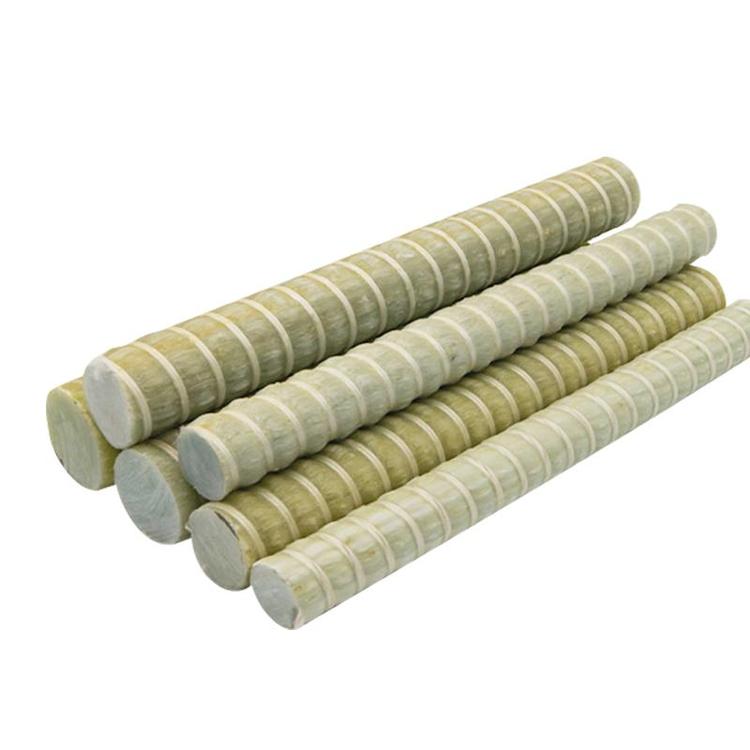
Corrosion resistant FRP reinforcement (fiber-reinforced composite reinforcement) is a composite material made of high-performance fibers (such as glass fiber, carbon fiber) and organic matrix (such as epoxy resin, vinyl resin) through extrusion or winding processes, with the following core characteristics: Lightweight and high-strength The density is only 1/4 of steel bars (1.5-2.2g/cm ³), but the tensile strength can reach 500-900MPa (some products exceed 1000MPa), which is 1.5-2.5 times that of HRB400 steel bars. Elastic modulus ≥ 40GPa, although lower than that of steel bars, deformation control can be optimized through structural design. Excellent corrosion resistance It can resist the corrosion of harsh chemical environments such as acid, alkali, and salt, and will not rust or corrode. It is suitable for corrosive environments such as chemical plants and coastal defense projects. Resistant to carbonization and freeze-thaw, reducing maintenance costs. functional diversity Non magnetic/non-conductive: suitable for special scenarios such as nuclear power plants and medical MRI rooms. Good thermal stability: The coefficient of thermal expansion is close to that of concrete, and the bonding strength is stronger. Strong wave transmission performance: no demagnetization treatment required, suitable for facilities such as radar stations. Construction convenience Customizable shape and length, easy on-site binding, reducing labor intensity. Lightweight, easy to handle and install.
Our corrosion resistant FRP reinforcement is an advanced composite material designed for modern construction challenges. This premium structural solution is meticulously manufactured using high-performance fibers and specialized organic matrices. Through precise extrusion and winding processes, our factory delivers a product that fundamentally outperforms traditional steel in harsh environments. Builders and engineers rely on our fiberglass rebar to ensure long-lasting structural integrity. As a dedicated supplier, we focus on providing materials that meet stringent engineering standards worldwide.
Key Features Of Corrosion Resistant FRP Reinforcement
Exceptional Tensile Strength
Our composite reinforcement boasts a tensile strength ranging from 500 to 900 MPa, with some specialized variants exceeding 1000 MPa. This is approximately 1.5 to 2.5 times the strength of standard HRB400 steel bars. We manufacture this material to provide maximum load-bearing capabilities while minimizing overall weight. Utilizing our products significantly improves the structural performance of diverse architectural projects. We ensure robust results without compromising on safety or reliability.
Ultra-Lightweight Profile
Handling and installation become significantly easier because the density of our product is only one-quarter that of conventional steel. The density ranges strictly between 1.5 and 2.2 g/cm³. This lightweight nature drastically reduces transportation expenses and lessens on-site labor intensity. Workers can move the materials rapidly across large construction sites. Your project timelines will improve due to faster handling and installation processes.
Specialized Physical Properties
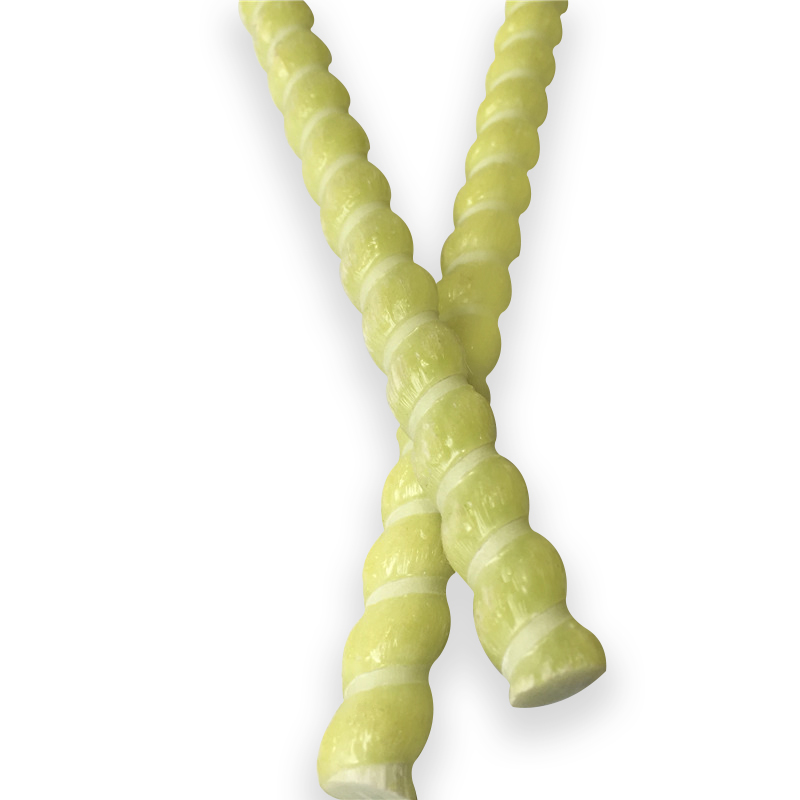
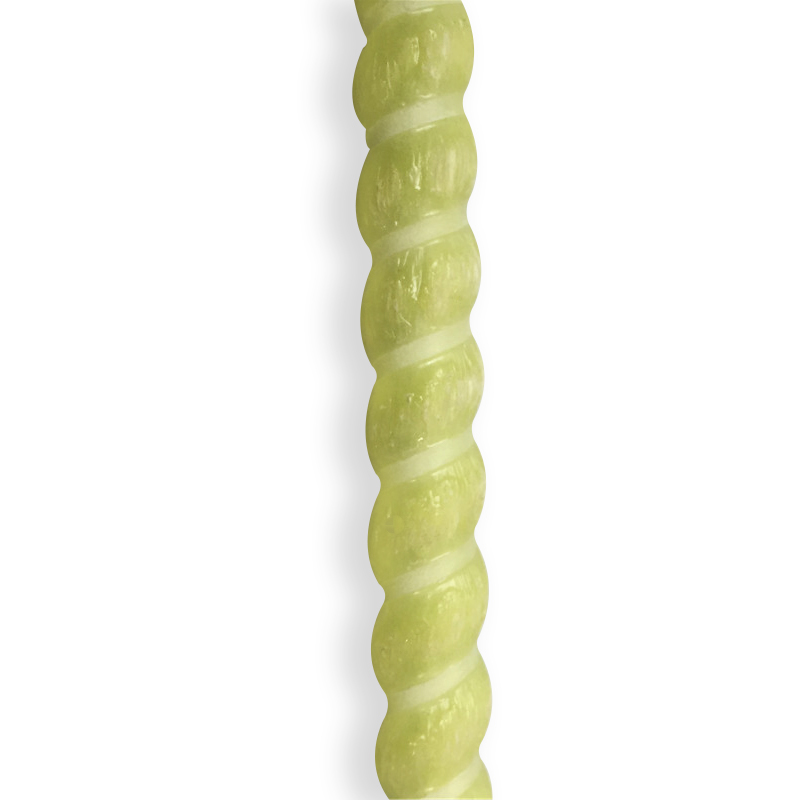
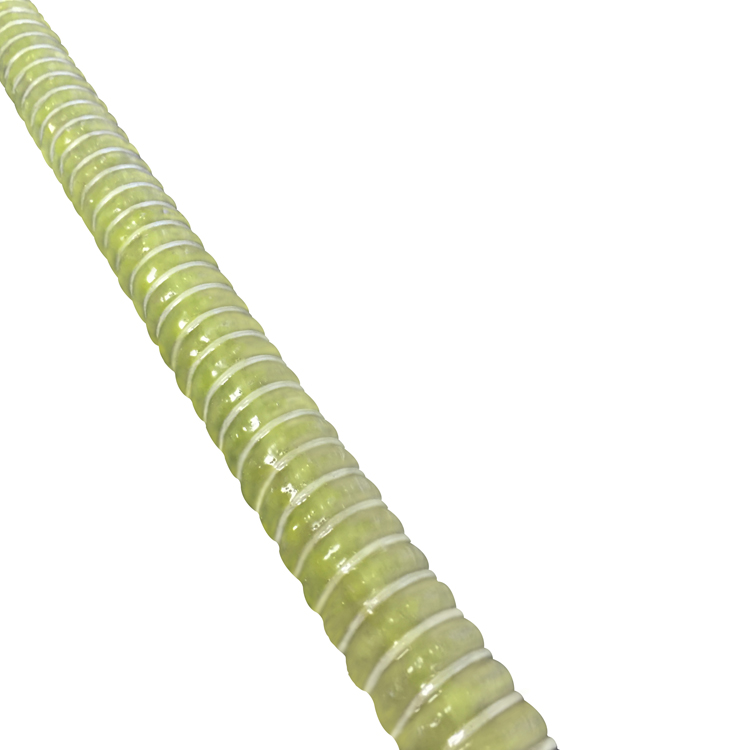
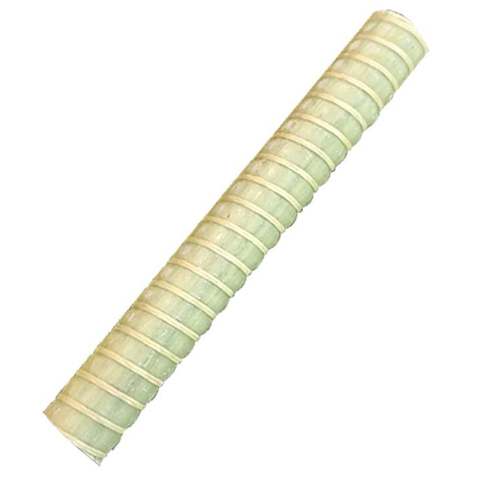
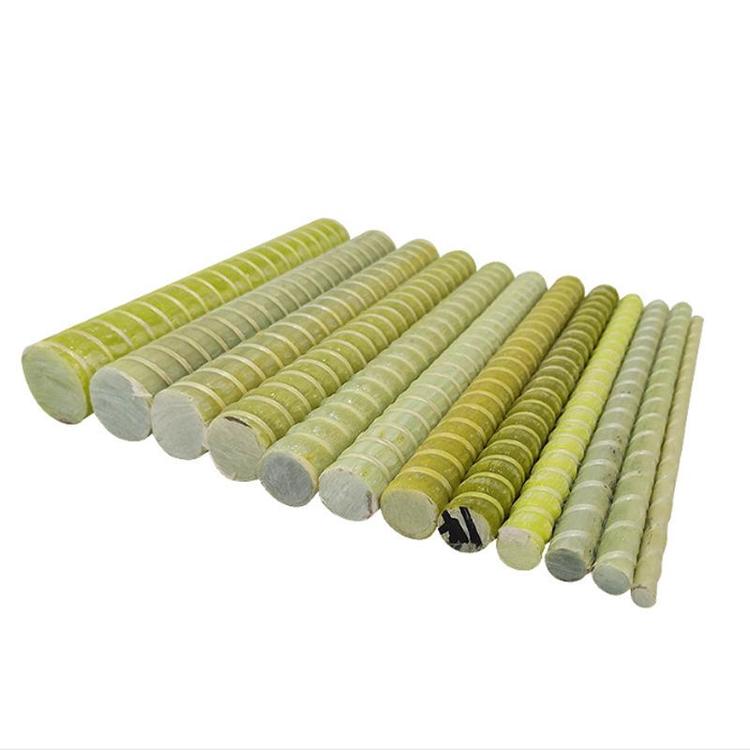
Our FRP reinforcement features an elastic modulus exceeding 40 GPa. While this is lower than steel, proper structural design easily optimizes deformation control. Additionally, the surface features a fully threaded design without any bubbles or cracks. The nominal diameter spans from 10 to 36 mm, covering common sizes like 20 mm, 22 mm, and 25 mm. The straightness deviation remains strictly below 3.5 mm/m. Every single bar undergoes strict visual and physical inspections.
Advantages Of Corrosion Resistant FRP Reinforcement
Unmatched Durability
Our glass fiber reinforced polymer completely eliminates the risk of rust and structural decay. It powerfully resists severe chemical corrosion from acid, alkali, and salt exposures. This makes it an essential material for chemical plants and coastal defense projects where ordinary steel fails. Furthermore, it strongly resists carbonization and freeze-thaw cycles, substantially lowering long-term maintenance costs. Your structures will maintain their integrity for decades under extreme conditions.
Superior Functional Diversity
Certain specialized environments demand unique material properties. Our non-conductive rebar is entirely non-magnetic, making it perfectly suited for nuclear power plants and medical MRI rooms. It also possesses excellent thermal stability, featuring a coefficient of thermal expansion closely matching that of concrete. This matching expansion ensures a much stronger bond within the concrete matrix. You gain precise structural control in highly sensitive operational zones.
Signal Transmission Capabilities
Facilities requiring clear signal pathways benefit greatly from our product. It offers strong wave transmission performance without needing any demagnetization treatment. Radar stations and sensitive communication centers frequently utilize our custom solutions to prevent signal interference. The inherent properties of the material naturally support unhindered radio frequency and electromagnetic waves. We provide reliable materials for critical communication infrastructure.
Applications Of Corrosion Resistant FRP Reinforcement
Infrastructure and Roadways
Public infrastructure projects utilize our materials to secure long-term stability and reduce settlement risks. Roads, tunnels, and bridge floors rely on these composite bars to enhance load-bearing capacity and extend total service life. They are specifically preferred for mixed reinforcement scenarios requiring strict deformation control. Engineering teams trust our products for major highway and underground transit developments. We support the modernization of essential urban transport networks.
Water and Special Environments
Water conservancy engineering greatly benefits from this material due to its complete resistance to water erosion. Dams, canals, and deep-sea engineering projects integrate our rebar for enhanced safety. Similarly, electrolytic cells and sewage treatment plants utilize it to combat intense acid and alkali exposure. Our factory supplies materials that endure constant submersion and chemical splashing. You can protect your critical liquid-handling infrastructure effortlessly.
Green Building Initiatives
Modern energy-saving buildings demand materials that align with sustainable practices. Our materials actively help developers achieve stringent zero-carbon building goals by reducing overall material consumption. Using our products supports the broader low-carbon trend in global construction. Recyclable resin matrix developments further enhance the sustainability of these composite materials. We partner with progressive builders to construct environmentally responsible structures.
Why Choose Us
Strict Quality Manufacturing
We ensure that every phase of the production process is rigorously monitored to guarantee defect-free materials. Our facilities implement comprehensive testing to verify mechanical properties like shear strength, which consistently exceeds 110 MPa. We carefully validate that the ultimate tensile strain is greater than or equal to 1.2%. You receive materials that consistently meet demanding safety specifications. Our quality control protocols protect your investment from manufacturing defects.
Custom Engineering Solutions
Every construction project presents distinct challenges requiring tailored approaches. We provide custom shapes and specific lengths to perfectly match your architectural blueprints. Our dedicated team works closely with your engineers to supply optimal composite reinforcement configurations. Our reliable after-sales service guarantees continuous support throughout your project lifecycle. We act as a dependable supplier focused on your long-term operational success.
FAQ
Is this material suitable for excavation engineering support beams?
It is not recommended for supporting beam components in excavation engineering. It should only be used as temporary support in underground continuous walls.
What are the standard available sizes?
The nominal diameter ranges from 10 mm to 36 mm. The most commonly requested specifications are 20 mm, 22 mm, and 25 mm.
Does the material rust in saltwater environments?
It will never rust or corrode. It is highly resistant to harsh chemical environments, including salt exposure in coastal defense projects.
Can it be used in MRI rooms?
Yes, it is entirely non-magnetic and non-conductive. This makes it perfectly suitable for medical MRI rooms and nuclear power plants.
What is the typical tensile strength?
The tensile strength usually reaches 500 to 900 MPa. Depending on the specific diameter and manufacturing process, some products can exceed 1000 MPa.
Can the length and shape be customized?
Yes, we provide customizable shapes and lengths to suit specific project needs. This ensures easy on-site binding and reduces labor intensity.
Product Description
The company places a high emphasis on quality control and after-sales service, ensuring that every phase of the production process is rigorously monitored.
CONTACT US
Phone:+86-13515150676 Email: yuxiangk64@gmail.com Add:No.19, Jingwu Road, Quanjiao Economic Development Zone, Chuzhou City, Anhui Province